Staging a scenario in public requires balancing surprise with absolute order. Whether you are running a hidden-camera sketch, an elaborate social experiment, or a flash mob, the environment around you does not stop for your production. Passersby are going to work, managing small children, or trying to catch a bus. If your setup disrupts their day or causes panic, the project fails before the footage reaches the edit suite.
A successful public scenario leaves the subject amused or pleasantly bewildered, not calling building security or the local precinct. This checklist lays out the practical steps needed to prepare a site, manage unexpected reactions, and secure proper releases without generating friction, fines, or public complaints.
Assessing venue suitability and pedestrian traffic
Before moving any gear or placing actors, you need to measure the physical capacity and natural movement of your chosen location. Visit the target area at the exact hour and day of the week you plan to shoot. A square that sits quiet on a Tuesday at 10:00 AM may turn into an impassable corridor of commuters by Friday afternoon.
Look specifically for bottleneck zones. Public stairs, narrow subway entrances, revolving doors, and store thresholds are poor choices because a single disruption can cause an immediate crowd build-up. Aim for locations with wide run-off paths where pedestrians have at least three meters of clear passage to walk around your setup without altering their pace. If a person feels trapped, their stress level jumps immediately.
Ambient noise and lighting also dictate how people perceive your scene. In noisy environments, people misinterpret neutral body language as aggressive because they cannot hear the tone of voice. Choose areas with consistent daylight or flat municipal lighting, and avoid dark corners or service alleys that instinctively make people defensive.
| Location Type |
Crowd Density per Minute |
Key Risk Factor |
Suitability Rating |
| Municipal Plazas |
15 to 30 people |
Permit checks by park wardens |
High |
| Transit Hub Forecourts |
60 to 90 people |
Commuter rush and tight schedules |
Low |
| Pedestrian Shopping Malls |
25 to 40 people |
Private property overlap |
Medium |
| Neighborhood Parks |
5 to 15 people |
Quiet atmosphere makes pranks feel intrusive |
Medium |
Legal guidelines: filming in public versus private spaces
The distinction between public property and privately owned public spaces (often abbreviated as POPS) catches many production teams off guard. A sidewalk maintained by the city generally allows citizens to record anything within plain sight. However, corporate plazas, shopping arcades, and outdoor cafe seating are private property even if there are no gates. The property manager can demand that you pack up and leave at any moment, and refusing to do so constitutes trespassing.
Always verify property lines through local municipal zoning maps before setting up hidden cameras. When setting up in public view, equipment footprints determine whether you need a film permit. In most cities, a handheld camera with two people does not require a permit, but setting down a tripod, light stand, or microphone boom on the concrete crosses the line into a permitted commercial shoot. Keep your gear mobile, inside tote bags or worn discreetly on the body, to stay within standard public gathering rules.
Audio recording laws vary sharply across jurisdictions. Many regions require one-party consent to record conversation, but several states and countries mandate all-party consent whenever someone has a reasonable expectation of privacy. While a public street usually carries no expectation of privacy, quiet conversational tones picked up by directional microphones can spark legal challenges. Always consult a local media attorney regarding wiretapping and privacy statutes in your specific municipality.
Briefing your crew on de-escalation tactics
Your field producer or crew lead must conduct a mandatory ten-minute safety briefing on site before anyone turns on a lens. The golden rule of public performance is simple: the moment a bystander expresses genuine frustration, fear, or anger, the bit is over. The actor must drop character instantly, step back, and reveal the nature of the production.
Train your actors to avoid physical contact entirely. A tap on the shoulder from a stranger can be perceived as an assault depending on the context. Instead, instruct them to use open palm gestures, keep their feet planted at least two arm-lengths away, and maintain a soft, friendly vocal pitch. If someone backs away, the actor must not follow them or press the interaction.
Assign one crew member as a dedicated safety observer who carries no camera equipment. This person watches the broader area from eight to ten meters away, looking for approaching security guards, agitated dogs, or individuals who appear visibly distressed by the scene. The safety observer holds absolute authority to call a stop word that ends the scenario instantly.
- Establish a clear stop word: Pick a common word that sounds natural if spoken aloud, such as "Reset" or "Hold up", which commands all actors to freeze and disengage.
- Maintain a safety perimeter: Keep secondary crew positioned to prevent third parties from wandering into the line of action without realizing what is happening.
- Carry written identification: Have business cards, a printed production notice, and government identification ready to show property managers or police officers.
When to halt a scenario immediately
A production needs non-negotiable tripwires that trigger an immediate shutdown. Waiting to see how an escalating situation plays out is how innocent public performances turn into municipal citations or emergency service responses. Define these triggers clearly during pre-production so your team acts automatically.
Halt the scene without hesitation if an onlooker mistakes your scenario for a genuine emergency or crime. If someone reaches for their phone to dial emergency services, reaches toward a defensive tool, or calls out for police, the scenario has failed its safety threshold. Your team must step in immediately, reveal the cameras, and explain the situation calmly before a dispatch call is logged.
You must also call off an action if the physical environment changes suddenly. A sudden gust of wind that blows props into traffic, an unexpected delivery truck blocking your escape lane, or the entrance of an unsupervised child into the staging area requires an instant reset. Professional productions treat safety as an operational necessity rather than a suggestion.
Immediate Shutdown Triggers
- Bystander distress: Any display of tears, hyperventilating, or aggressive physical posture.
- Authority involvement: Appearance of police officers, transit officials, or armed private guards.
- Physical hazards: Spilled liquids, broken glass, or heavy traffic diverting toward the scene.
- Loss of visibility: Crowd clustering so tightly that the camera team loses sight of the primary actor.
Post-event checklist and participant sign-offs
The scenario does not conclude when the actor delivers the punchline. The reveal must be gentle, swift, and respectful. Have your actors gesture toward the camera crew while explaining the scenario with a warm smile. A five-second gap of silence after a shock leaves people feeling disoriented; close that gap instantly with a clear explanation: "You are on a hidden camera production, and you did wonderfully."
Once the participant is laughing or relaxed, bring in the producer to present the appearance release form. Never pressure a person to sign. If an individual feels embarrassed, uncomfortable, or simply prefers not to have their likeness broadcast on the internet, accept their refusal gracefully. Offer to blur their face, but if they want the clip discarded entirely, delete the file in front of them if practical, or mark the timecode for permanent deletion.
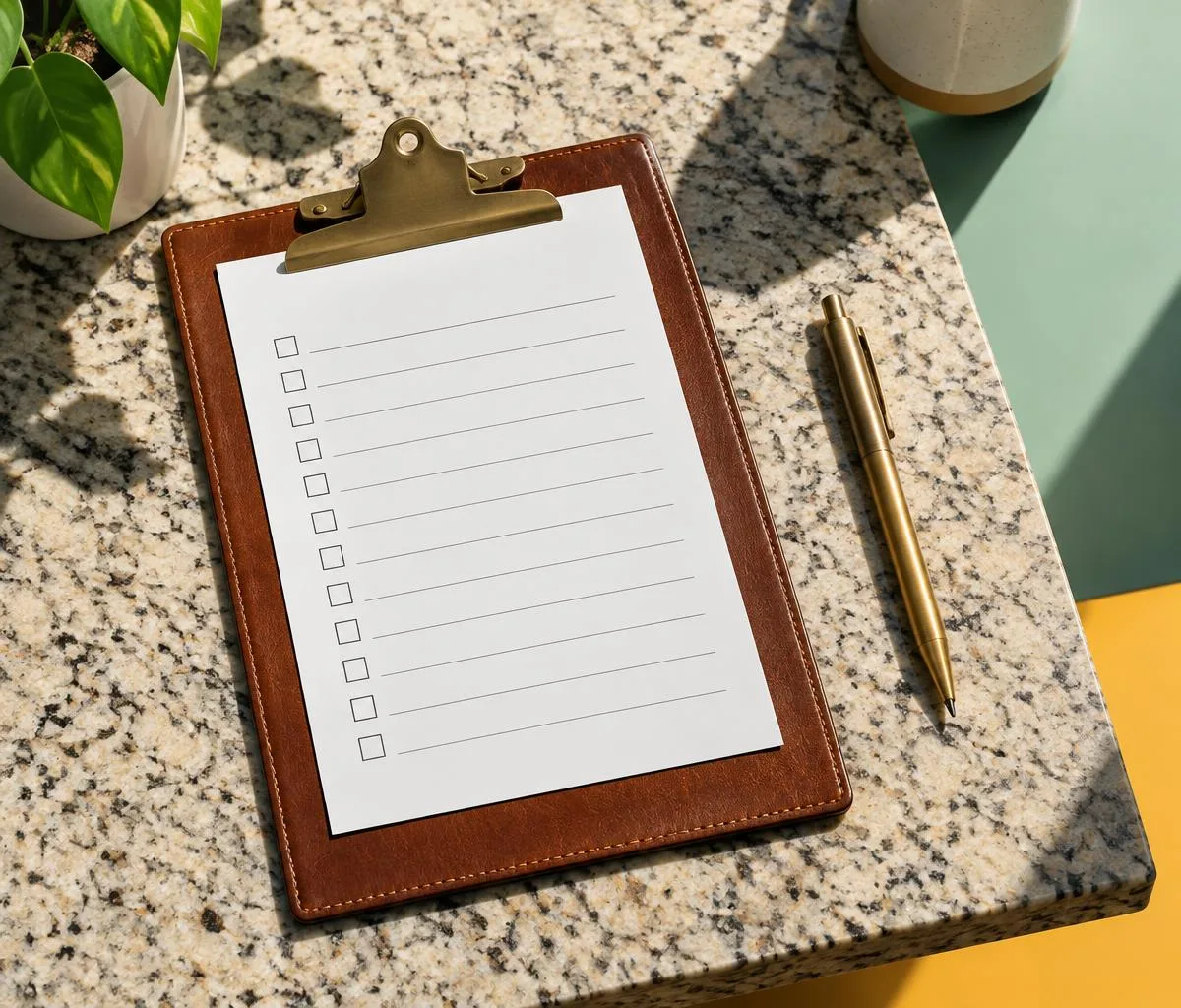
Carry digital release forms on a tablet, but keep at least ten printed paper copies and pens in a clipboard as backup. Battery failures and screen glares slow down the sign-off process, and an annoyed person will walk away rather than wait for a tablet app to reload. Make sure the release clearly outlines where the footage will be displayed, whether it covers international rights, and that the participant is at least eighteen years of age.
The most frequent error in public scenario staging is target selection. Teams often target elderly citizens, people wearing work uniforms, or individuals clearly in a hurry. These demographics have lower tolerance for disruption and are much more likely to report an incident to authorities. Aim for relaxed adults who are sitting on benches, strolling casually, or waiting in low-stress public areas.
Another major mistake is ignoring local noise ordinances. Megaphones, party horns, or sudden loud noises can violate municipal nuisance laws even in the middle of the afternoon. Keep your props acoustic and contained to the immediate radius of the participant. If nearby shop owners come out to see what the noise is, your volume is already too high.
Finally, amateur crews often fail to monitor the footage in real time. If a participant walks out of frame or a microphone cuts out, continuing the prank for another three minutes only wastes good will. Use wireless monitoring rigs so the director knows the status of the shot second by second.
Before heading out to the street, compile your operational folder. Print four copies of your municipal filming guidelines, ten copies of your adult appearance releases, and two copies of your crew contact sheet. Check that your actors understand their blocking and that the stop word is agreed upon by every person on site.
Run a full dry run in an empty studio or private backyard before attempting the scenario on members of the public. Test the distance between the actor and the subject, verify the sensitivity of your lapel microphones from twenty meters away, and practice the reveal phrase until it rolls off the tongue naturally. Preparation is what keeps public creativity fun, harmless, and completely free of complaints.
All scenarios are provided for lighthearted entertainment only: always verify venue rules and consider participant comfort before staging any practical joke. Disclaimer
 Merrysmith